
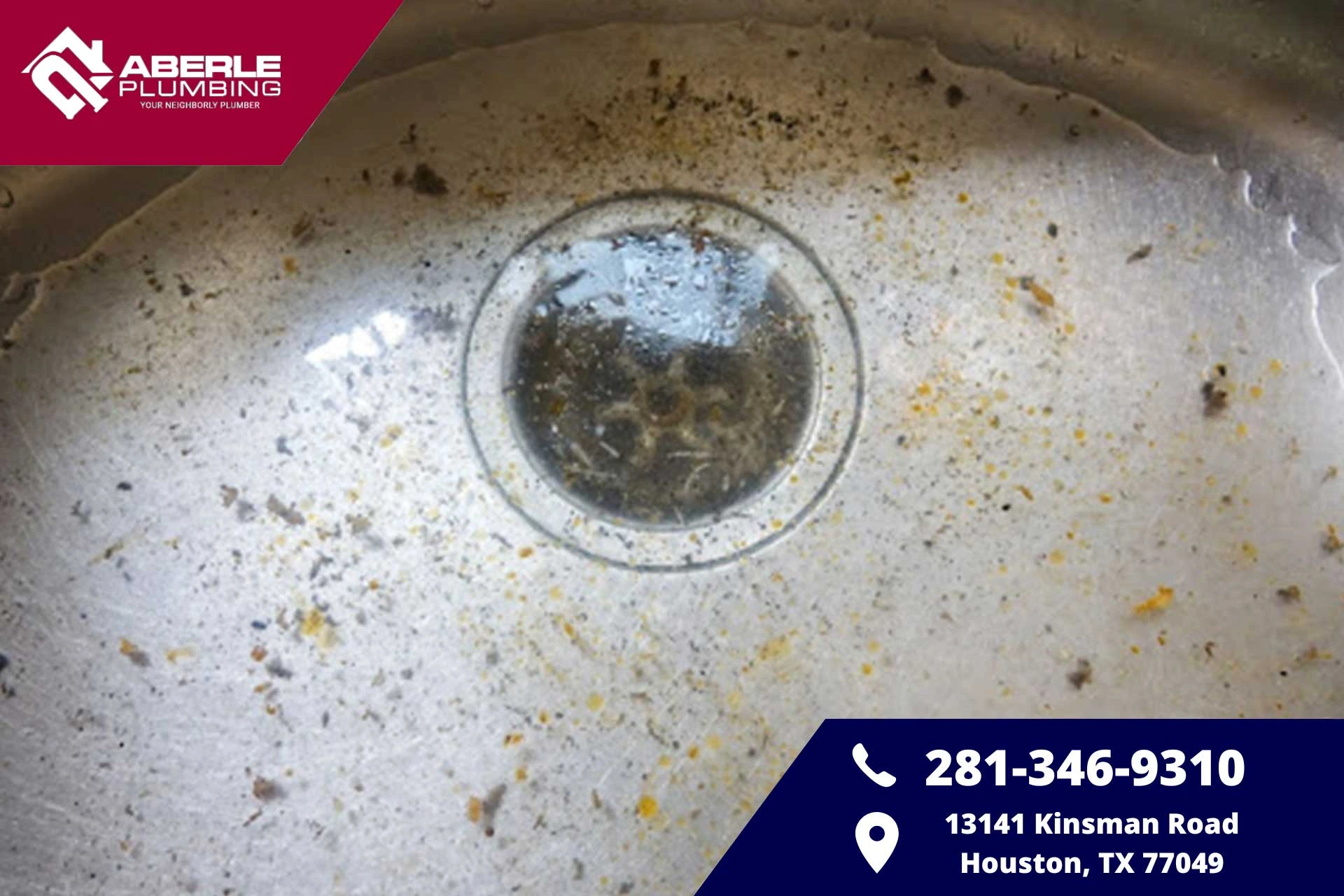
Reasons Your Sink Drain Is Still Slow
A slow sink drain is one of the most frustrating plumbing problems homeowners deal with. At first, it may seem like a minor inconvenience — water pools in the basin for a few seconds longer than usual, then eventually drains away. Many homeowners reach for store-bought drain cleaners or repeatedly plunge the sink, expecting a quick fix. But when the problem keeps coming back or never fully goes away, frustration sets in.
In many cases, a slow, lingering drain is a sign of a deeper issue in the plumbing system. While surface-level clogs can sometimes be cleared with basic maintenance, persistent drainage problems often require proper diagnosis to avoid bigger headaches down the road.
Common Causes of Slow Sink Drains
Most slow drains don’t happen overnight. They develop gradually as materials accumulate inside the pipes, narrowing the flow path for water.
Grease Buildup
In kitchen sinks, grease is one of the most common culprits. Even when poured down the drain in liquid form, grease cools and solidifies inside the pipes. Over time, it coats the pipe walls and traps food particles, eventually restricting water flow and causing slow drainage.
Soap Scum
Soap residue doesn’t always dissolve as cleanly as we expect. When soap combines with minerals in water, it forms a sticky film that clings to the interior of pipes. This buildup is especially common in bathroom sinks and can gradually reduce drainage efficiency.
Hair Accumulation
Hair is a major contributor to slow-draining bathroom sinks. Strands can tangle together, catching soap residue and debris as water passes through. Even small amounts of hair can create a stubborn blockage over time.
Mineral Deposits
Homes with hard water often experience mineral buildup inside plumbing pipes. Calcium and magnesium deposits accumulate slowly, narrowing the pipes’ diameter and making it harder for water to flow freely.
Pipe Damage or Improper Slope
Sometimes the issue isn’t buildup at all. Damaged pipes, corrosion, or pipes that weren’t installed with the proper slope can cause water to drain slowly, even if the pipes appear clean.
Why Chemical Drain Cleaners Often Fail — or Make Things Worse
Chemical drain cleaners are heavily marketed as fast, easy solutions, but they often fall short in the long term. These products are designed to burn through soft clogs, not hardened grease, mineral deposits, or structural issues. Over time, chemical cleaners can:
- Damage pipes by causing corrosion
- Weaken joints and seals
- Create heat that worsens existing cracks
- Push debris deeper into the plumbing system
While they may offer temporary relief, repeated use can shorten the lifespan of your pipes and lead to more costly repairs later.
Warning Signs a Slow Drain May Be a Bigger Plumbing Issue
A slow drain can sometimes be a warning sign of a more serious problem in your plumbing system. Homeowners should pay close attention if they notice:
- Multiple drains slowing at the same time
- Gurgling sounds when water drains
- Unpleasant odors coming from the sink
- Water backing up in other fixtures
- Slow drainage that returns quickly after cleaning
These symptoms can indicate deeper blockages, venting problems, or issues within the main sewer line.
Safe Drain Maintenance Tips for Homeowners
While some slow drain issues require professional attention, homeowners can take steps to reduce buildup and keep drains flowing smoothly.
- Avoid pouring grease or oils down the sink
- Use drain strainers to catch hair and debris
- Run hot water after using the sink to flush residue
- Clean sink stoppers regularly
- Use mild, non-corrosive cleaners when needed
Routine maintenance can help slow the buildup process and reduce the risk of persistent drainage issues.
How Professional Drain Cleaning Is More Effective
Professional drain cleaning goes far beyond plungers and chemical products. Licensed plumbers use specialized tools and proven techniques to fully remove buildup and identify underlying issues. Professional drain services may include:
- Mechanical drain cleaning to remove hardened debris
- Camera inspections to locate hidden blockages or damage
- Hydro jetting to thoroughly clean pipe walls
- Targeted repairs for damaged or corroded piping
This approach not only clears the immediate clog but also helps prevent future drainage problems by addressing the root cause.
The Value of Professional Drain Diagnostics
When slow drains won’t go away, guessing can lead to repeated frustration and unnecessary damage. Professional diagnostics allow plumbers to see what’s happening inside the pipes and recommend the most effective solution.
With decades of experience, Aberle Plumbing understands how residential plumbing systems behave over time and how to restore proper flow safely and efficiently. We take the time to evaluate each situation, clearly explain the findings, and provide solutions that last.
If your sink drain is still slow despite repeated efforts, it’s time to take the next step. Homeowners throughout Houston and nearby areas can rely on Aberle Plumbing for expert drain cleaning and dependable service. Contact Aberle Plumbing today to schedule drain service and keep your plumbing system flowing properly.