Signs Your Sink’s P-Trap Needs Replacement
Most homeowners never think twice about the small curved pipe tucked beneath their sink. It is called a P-trap, and while it looks simple, it quietly keeps your home safe and your plumbing system running properly. The P-trap traps a small amount of water inside its curve, blocking sewer gas from entering your kitchen or bathroom. Without it, unpleasant odors would fill the room every time you turned on the faucet.
Over time, however, the P-trap can wear out, corrode, or leak. Knowing when to replace your sink’s P-trap can help you avoid messy water damage and smelly surprises that catch you off guard.
What Exactly Is a P-Trap?
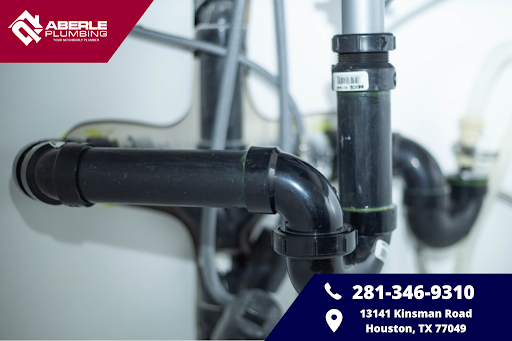
A P-trap is the U-shaped pipe located beneath your sink, typically made from PVC, chrome, or cast iron. It connects the drain to the main plumbing system and serves two purposes. First, it creates a water seal that prevents gases from your sewer line from entering your home. Second, it catches small debris, like rings or bits of soap, that accidentally fall down the drain.
Although it may seem like one of the most reliable plumbing parts, it is constantly exposed to water, waste, and cleaning chemicals. Over time, this exposure can lead to corrosion, buildup, and eventually leaks.
Warning Signs Your P-Trap Needs Attention
Like most parts of your plumbing, the P-trap gives off warning signs before it completely fails. The key is knowing what to look for. These signs can start small, such as an odd smell or a tiny drip under the sink, but they tend to worsen quickly if ignored.
Persistent Odors
If you notice a foul odor rising from the sink, the P-trap could be cracked or dry. When the trap loses its water seal, sewer gas slips through, leaving a smell that no amount of air freshener can cover.
Slow Drainage
A clog forming inside the P-trap restricts water flow, causing the sink to drain slowly. Sometimes a good cleaning can fix the problem, but repeated clogs might indicate internal buildup or corrosion that calls for replacement.
Visible Leaks
Drips under the sink are an obvious red flag. Even a small leak can lead to damaged cabinets, mold, and warped flooring. If tightening the connections does not solve the issue, the pipe itself may be deteriorating.
Corrosion and Rust
Older metal traps, especially iron or chrome, can develop rust spots. Corrosion eats away at the metal and creates thin, weak points that eventually crack. Plastic versions can also warp or weaken over time.
Unusual Noises
If you hear gurgling sounds when water drains, air may be trapped in the line because of a damaged or misaligned P-trap. This is often a sign that replacement is overdue.
Why P-Trap Problems Shouldn’t Be Ignored
A failing P-trap might seem minor, but it can cause bigger problems down the line. Leaks lead to hidden water damage that invites mold growth. A broken water seal allows harmful gases to circulate in your home, creating health concerns. Ignoring these warning signs can also affect nearby plumbing fixtures, including your dishwasher or washing machine, if wastewater starts backing up.
Understanding when to replace your sink’s P-trap keeps your home’s plumbing in good shape and prevents those headaches that always seem to appear at the worst time.
How a Plumber Replaces a P-Trap
Replacing a P-trap is usually a straightforward task for an experienced plumber, but it requires precision. The steps typically include:
- Shutting off the water supply and placing a bucket under the trap to catch any remaining water.
- Removing the old trap, inspecting the connecting pipes, and cleaning out any debris or grease buildup.
- Installing the new trap using the correct fittings, washers, and connections to avoid leaks.
- Testing the system by running water to confirm proper flow and a tight seal.
Professional replacement ensures that the trap is sized correctly and properly aligned with the rest of the plumbing system, avoiding potential leaks or pressure issues later on.
How to Extend the Life of Your P-Trap
Once your new trap is installed, there are a few ways to keep it in good shape:
- Run water regularly to keep the trap sealed and prevent sewer gases from entering.
- Avoid pouring oil, fat, or chemical drain cleaners down the sink.
- Keep an eye out for small drips or moisture beneath your bathroom or kitchen sink.
- Have a plumbing inspection done every couple of years, especially in older homes.
Routine maintenance can extend the lifespan of your trap and reduce the need for premature replacement.
Call Aberle Plumbing Today!
The P-trap might be one of the smallest parts of your plumbing system, but its job is essential. Paying attention to the early warning signs and understanding when to replace your sink’s P-trap can protect your home from leaks, odors, and costly repairs.
If you suspect your P-trap is failing or you have noticed water under your sink, reach out to Aberle Plumbing for professional plumbing services. Our experienced team in Houston can quickly diagnose the problem and complete a proper plumbing installation that keeps your sink draining smoothly and your home safe from water and odor issues. Give us a call today!