
Winterizing Your Home Plumbing: A Step-By-Step Guide
Freezing winter temperatures can turn everyday plumbing into a major headache. Frozen or burst pipes can cause thousands of dollars in damage and leave your home without water when you need it most. For homeowners in Houston and surrounding areas, winter may not always bring heavy snow, but unexpected cold snaps are still a serious risk for your plumbing. Proper winterization protects your pipes, appliances, and home from expensive repairs.
In this guide, we’ll walk through essential steps to winterize your plumbing. From shutting off the water to insulating exposed pipes, you’ll learn how to protect your home effectively and avoid emergency calls to our Houston plumbers.
Shut Off Water & Drain the System
The first step in winterizing your plumbing is shutting off the main water supply. Start by locating your home’s main water shut-off valve. Once you turn it off, open all faucets, both hot and cold, throughout your home. Don’t forget to open drain valves on fixtures, which allows the water in your pipes to escape completely.
This step is critical because water left in the system can freeze, expand, and cause pipes to crack. Even a small leak in the winter can quickly turn into a flood. Emptying the system reduces the pressure inside the pipes and minimizes the risk of needing a costly plumbing repair in Houston, TX, if a pipe were to fail.
Drain Water From Appliances
Next, turn your attention to appliances connected to the water supply. Your water heater is one of the main culprits for retaining water that can freeze. Drain the water heater completely, following the manufacturer’s instructions. Appliances like ice makers, dishwashers, or washing machines should also be drained to prevent any trapped water from freezing and causing damage.
Draining appliances prevents flooding and reduces the chances of having emergency repair calls during freezing temperatures.
Insulate Exposed Pipes
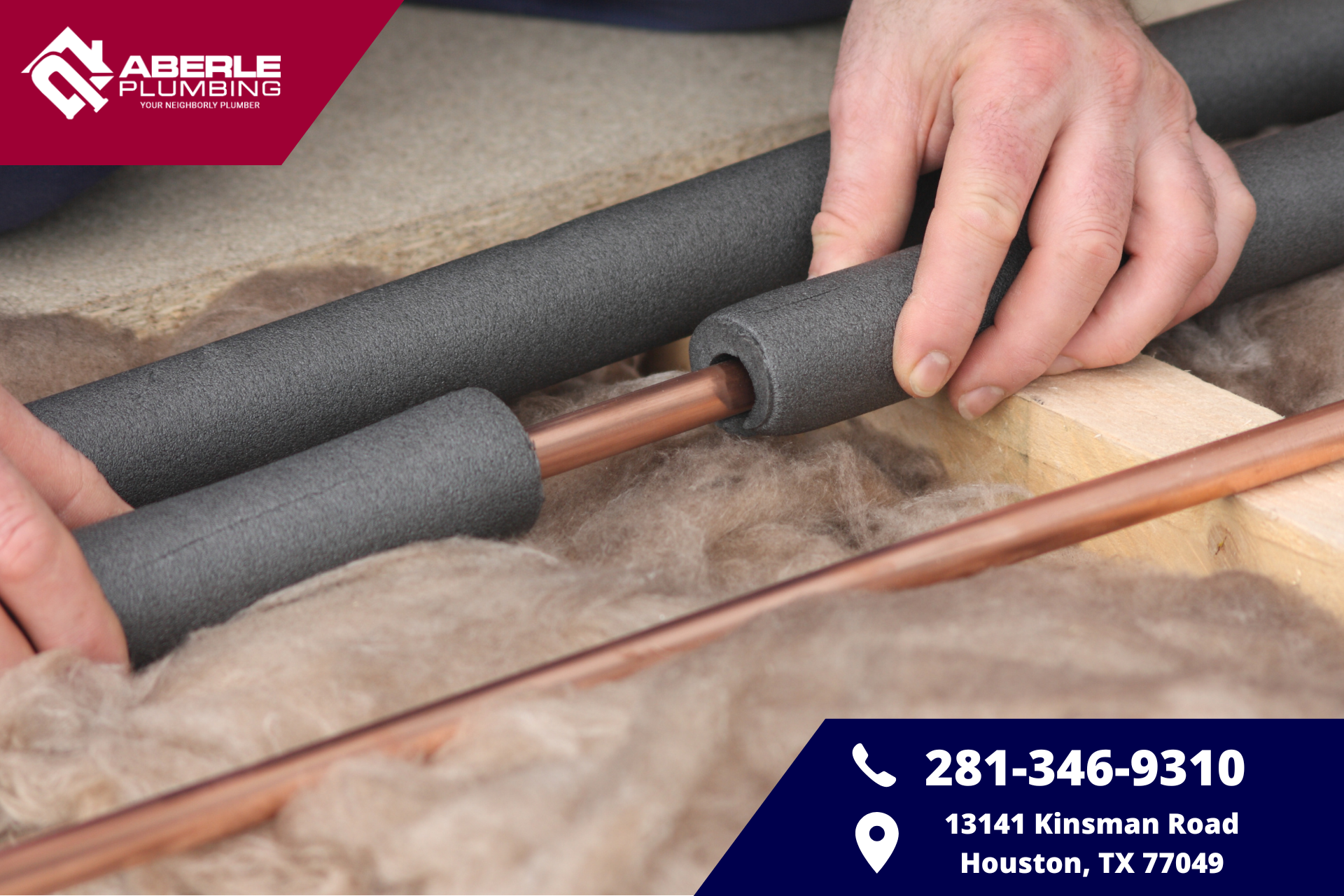
Exposed pipes in unheated areas like attics, crawl spaces, and garages are highly vulnerable to freezing. Wrapping them in foam insulation sleeves or using electric heat tape can make a huge difference. Insulation helps retain heat around the pipe, keeping water from freezing even on the coldest nights.
When insulating, cover every exposed section and pay close attention to bends and joints where water is more likely to stagnate. Pipes running along exterior walls are also at high risk, so adding insulation or wrapping them with tape ensures water flow continues uninterrupted throughout winter.
Protect Outdoor Fixtures
Outdoor water sources often get overlooked during winterization, but they are just as vulnerable. Disconnect all garden hoses and drain them completely to avoid trapped water freezing inside the hose bib. Shut off water to outdoor taps using the interior shut-off valve if available, and place foam covers over the exposed spigots for additional protection.
Failing to protect outdoor plumbing can lead to damaged hose bibs, frozen outdoor pipes, and water seeping back into your home, potentially causing damage in nearby walls or floors. Properly winterizing outdoor plumbing is a small step that saves homeowners time and money.
Maintain Heat and Airflow
Even when your home is empty or you’re away for an extended period, keeping the indoor temperature at least 55°F can prevent pipes from freezing. Avoid turning the heat off entirely. Warm air circulation helps keep water flowing inside the pipes.
Additionally, opening cabinet doors under sinks allows warm air from your home to reach the pipes, especially those located along exterior walls. This simple step is often overlooked, but it can make a significant difference in maintaining steady water flow and reducing the risk of pipe bursts.
Seal Air Leaks Around Pipes
Cold air can enter your home through small gaps and cracks around vents, pipes, and electrical conduits. Sealing these leaks with caulk or foam prevents drafts from chilling your plumbing system.
Check areas where pipes penetrate exterior walls and around attic hatches. Even minor openings can allow freezing air to reach vulnerable pipes. Taking a few minutes to seal these leaks provides an added layer of protection, complementing insulation and heating strategies.
Why Winterization Matters
Proper plumbing winterization goes beyond preventing a few minor leaks. It protects your home from flooding, mold, and extensive water damage that can affect flooring, drywall, and cabinetry. Winterizing pipes also helps your appliances last longer, avoiding costly repairs or replacement.
Understanding these steps is especially important in Texas, where sudden cold snaps are not uncommon. Many homeowners think freezing pipes are a concern only in northern states, but Houston winters have enough chill to damage unprotected plumbing. A little preparation now saves headaches, repair bills, and disruption later.
Get in Touch With Our Houston Plumbers Today
As you can see, winterizing your home is a smart investment in peace of mind. From shutting off water and draining pipes to insulating, adjusting the thermostat, and protecting outdoor fixtures, these steps ensure your plumbing stays safe through the cold months.
However, even with careful winterization, plumbing problems can still happen. If you notice a leak, a frozen pipe, or any other issue this winter, our team at Aberle Plumbing is standing by to help. We provide prompt, reliable service to protect your home and get your plumbing system back to normal. Our experienced Houston plumbers have the skills and tools to handle any winter plumbing emergency.
Don’t let a cold snap turn into a costly disaster. Contact Aberle Plumbing for expert assistance whenever you need it!